The Ultimate Sales Machine
Do twelve things a thousand times, not a thousand things once. The Dream 100 chapter alone is worth the book.
The ones I recommend most. A note on each.
Do twelve things a thousand times, not a thousand things once. The Dream 100 chapter alone is worth the book.
The only sales book built on watching 35,000 real calls. Ask better questions; stop pitching.
An empty pipeline catches up with you. Block time to prospect before you need the next deal.
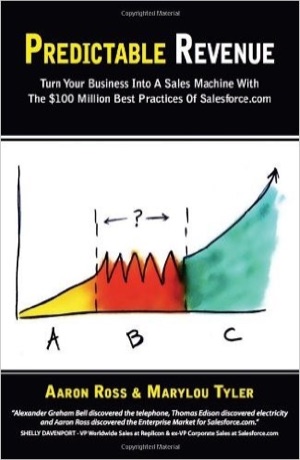
Separate prospecting from closing, and build a repeatable way to start sales conversations. The pipeline shouldn’t depend on one rep’s good week.
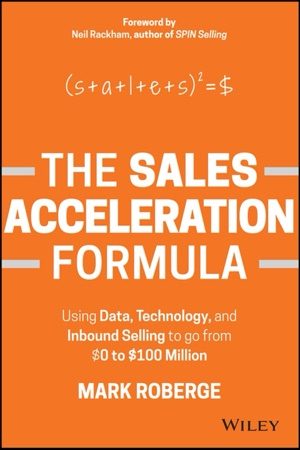
A sales team should not depend on finding a few natural closers. Roberge breaks down how to hire, train, and improve one with a process you can measure.

Stop giving your thinking away in pitches. Specialize, diagnose before prescribing, and sell expertise from a position of authority.
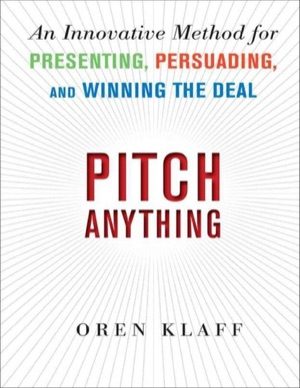
The room has decided how to hear you before you get to the pitch. Klaff shows how framing, status, and tension change that.
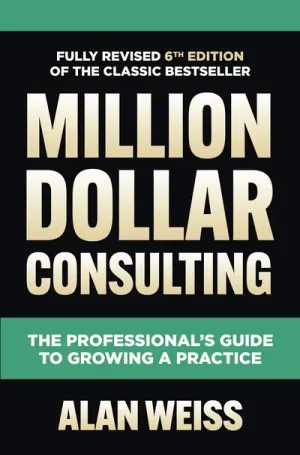
Stop selling your calendar by the hour. Weiss makes the case for pricing the value of the outcome and building a practice that can grow.
Why do people say yes? Cialdini gives you six patterns to look for, in advertising and in your own decisions.
A business parable about getting somewhere by helping other people get somewhere first.
The examples are gyms. The problem is broader: how do you get a customer, make the first sale pay, and give them a reason to stay?
Ogilvy cared whether the ad sold anything. The pages on headlines, research, and direct response still earn their place.
Less of a manual than Ogilvy on Advertising. More about clients, people, and the decisions behind the work.
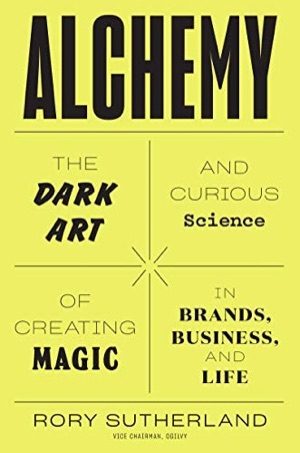
The case for ideas that look irrational on a spreadsheet but make sense to a human.
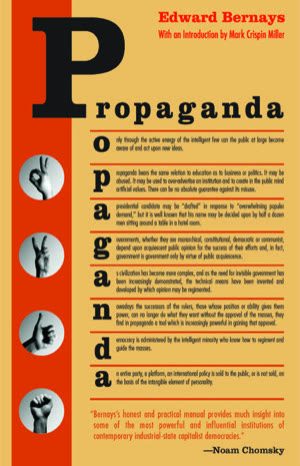
A blunt look at how businesses and governments shape public opinion. Useful for spotting when a campaign is trying to make an idea feel like your own.
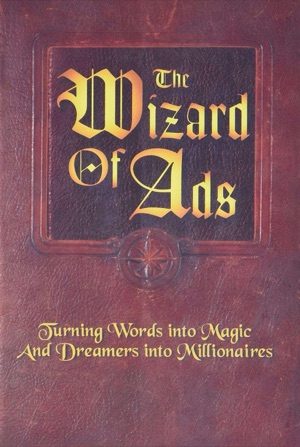
Little chapters about big advertising decisions. Which words stick? What makes someone remember an ad tomorrow?

The second volume gets into the nuts and bolts: writing ads, setting prices, and making a plan for a small business.

The third book turns to memory, storytelling, and what makes a message last after the ad is gone.
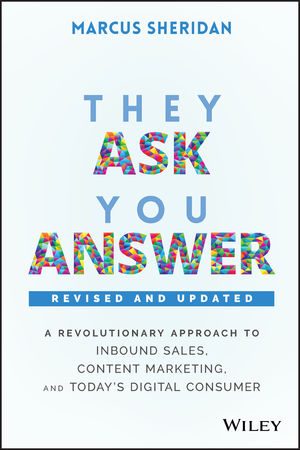
Answer what buyers really ask, including the awkward questions about cost and problems. Do it before the sales call.
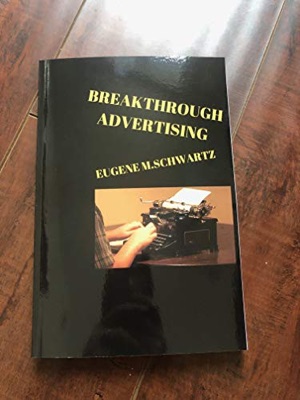
Dense and worth it. Why the same offer needs a different headline depending on what the market already knows.
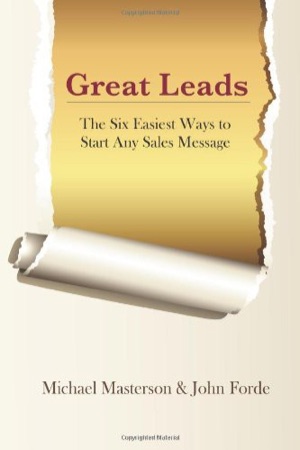
You know what you’re selling. Now how do you begin? Six ways to open the message without losing the reader.
The stories show how Hopkins learned. The second book makes the case for testing the ad instead of trusting your taste.
A father’s letters to his son on direct response. Find the hungry market, then write to it plainly.
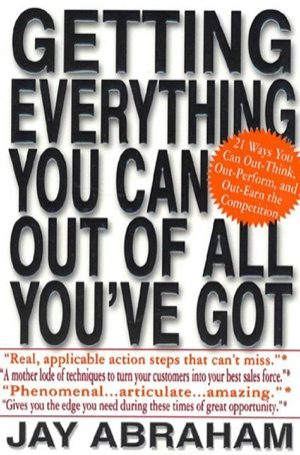
Twenty-one ways to find growth in what a business already has. Borrow what works in other industries.

A short transcript on putting the customer’s best interest ahead of the sale. Be their adviser, not just another vendor.
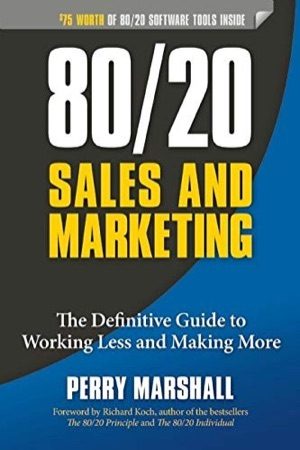
Find the few customers, offers, and channels doing most of the work. Spend more time there.
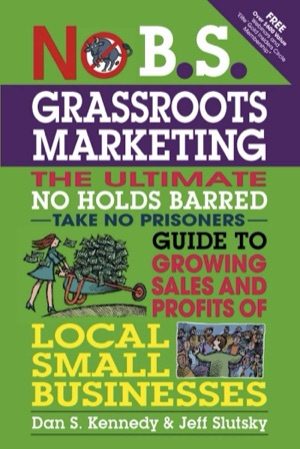
Local marketing does not have to start with a bigger ad budget. Start where your customers already spend time.
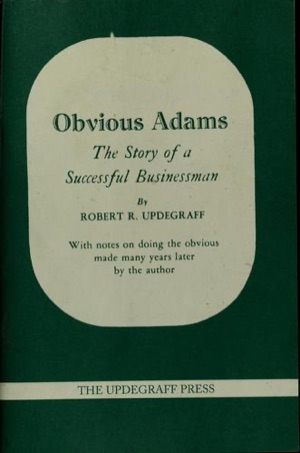
A short parable about the rarest advertising skill: spotting the obvious answer everyone else has made too complicated.

How good ads actually get written. Funny, practical, and honest about the bad ones.
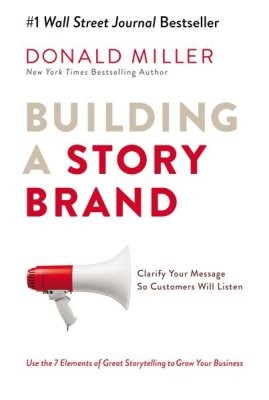
The customer is the hero. Your business is the guide. If your website makes that hard to see, this book helps you fix it.
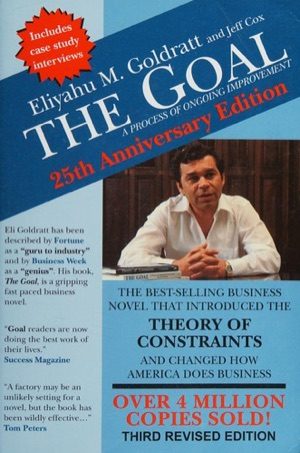
A factory story with a question that travels well: where is the bottleneck, and what happens if we fix everything but that?
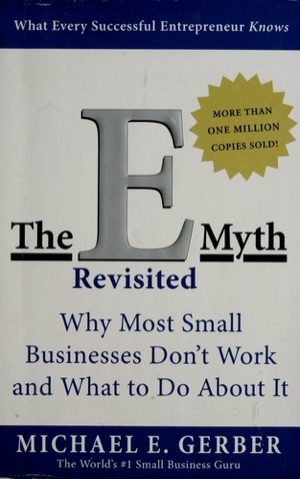
A pie shop owner learns the difference between doing the work and building the business. That problem shows up well beyond pie shops.
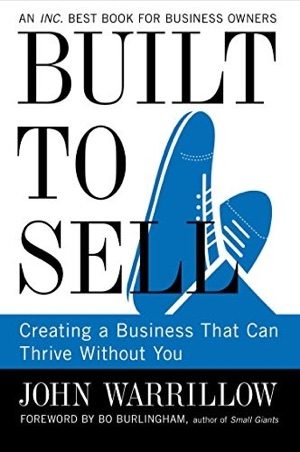
If the founder has to deliver every job, what is there to sell? Warrillow works through that question as a story.
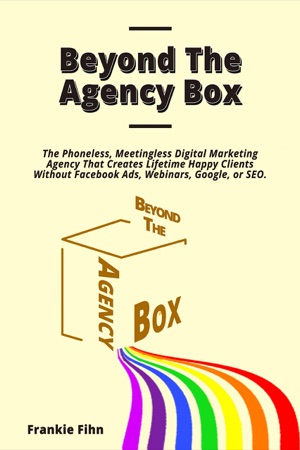
A case for selling and serving clients without living in meetings. Short video pitches, repeatable onboarding, and more room to do the work.
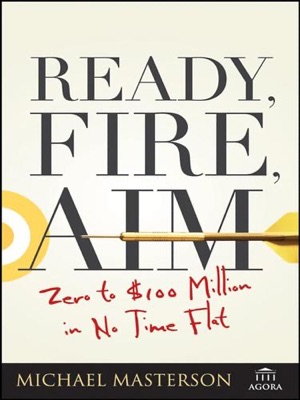
The job changes as a business grows. Early on, spend less time polishing and more time finding out if people will buy.
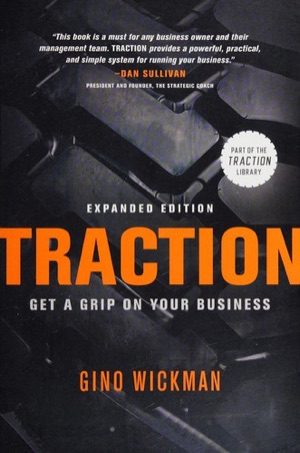
Scorecards, quarterly priorities, weekly meetings. The appeal is that everyone knows what matters and what happens next.
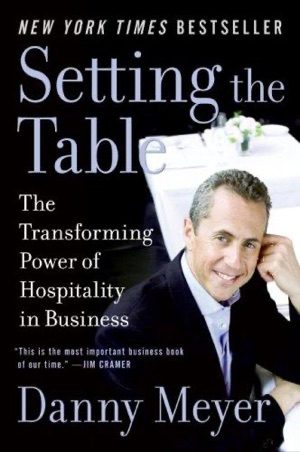
Enlightened hospitality: staff first, then guests, then community, then suppliers, then investors. In that order.
The first 100 days after a sale shape whether a customer stays. Design that stretch on purpose.
When a decision goes wrong, write down the rule you wish you’d had. Then use it next time.
Jesse Livermore makes and loses fortunes. The market is the setting, but the real fight is with his own judgment.
The thing that stuck with me: 10% of all you earn is yours to KEEP. Not what’s left after everyone else gets paid.
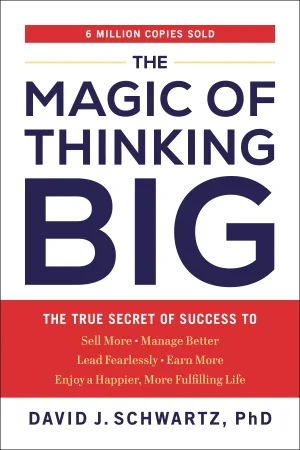
Fear and excuses can shrink the plan before you even start. Schwartz pushes you to aim higher, then make action a habit.
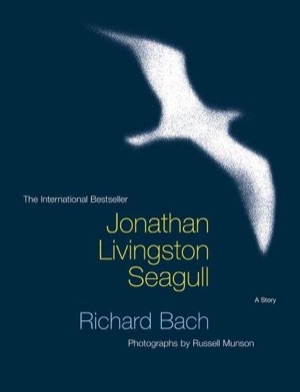
A gull who’d rather learn to fly than fight for fish. A small story about choosing what matters to you.
Naval’s ideas on wealth, judgment, and happiness, gathered from years of interviews and writing.

Notice the story you’re telling yourself before you mistake it for the world. De Mello keeps returning to that move.
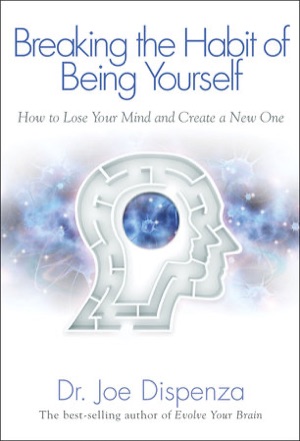
Which thoughts and feelings do you keep rehearsing? Dispenza offers meditation exercises to notice those loops and practise something different.
Practical ways to interrupt worry, deal with the day in front of you, and act on what you can control.
Nike before it was Nike: cash squeezes, bad bets, and a founder who kept going.
Short pieces on marketing, making things, and changing your mind. Open it anywhere and follow the thought that catches you.
What work gives you energy and produces your best results? The exercises help you name it, then make more room for it.
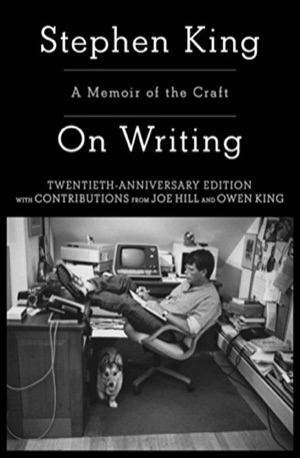
Part memoir, part craft manual. Read a lot, write a lot, and cut what the story doesn’t need.
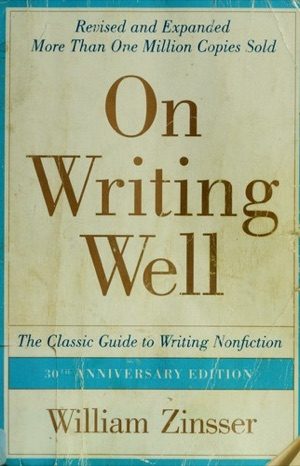
Cut the clutter, keep your voice. A practical guide to writing nonfiction people want to read.
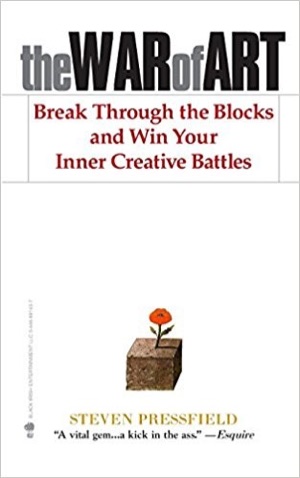
Pressfield calls procrastination and self-doubt Resistance. The job is to sit down and work anyway.
Titles link to Amazon or the original source.